

Your Smile Journey Starts Here
Dr. Peter Shih
Orthodontist Serving Jacksonville, FL
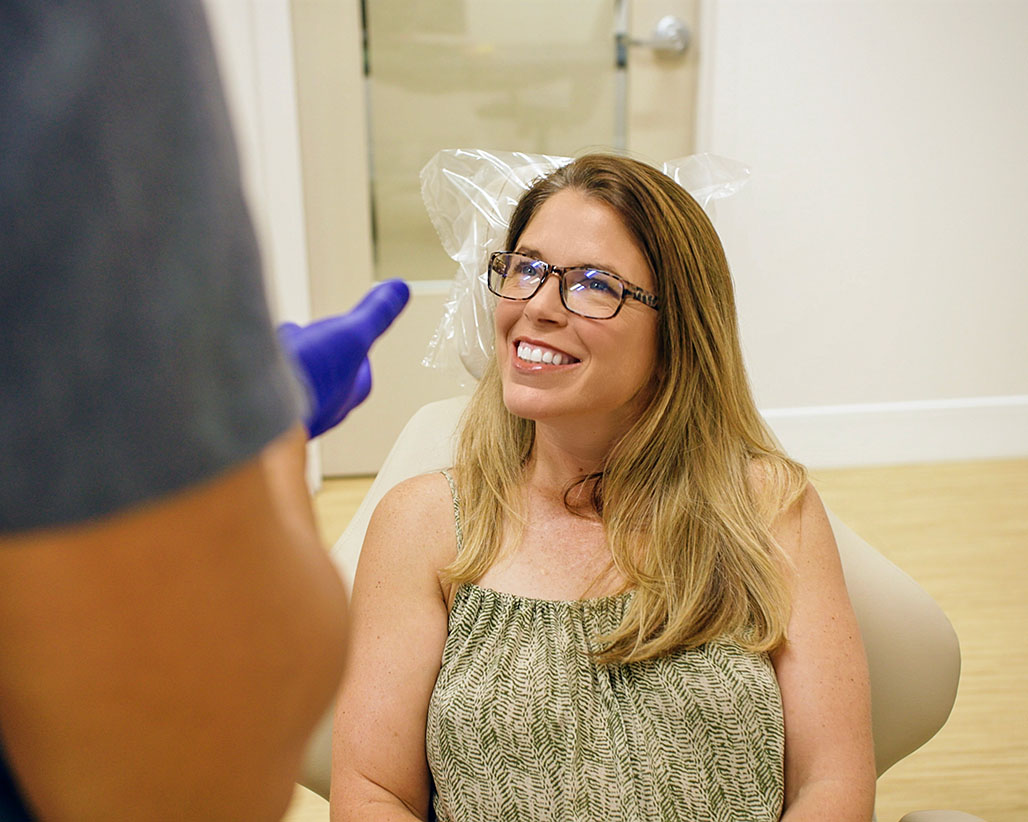
Meet Dr. Peter Shih—the premier choice for orthodontic care in Jacksonville, FL. Whether you’re interested in traditional metal braces or clear aligners, you can trust our team to take excellent care of you. We care about your success as a patient and want to help you achieve your best smile yet! Discover why patients and their families love Modern Orthodontics.
Patient Testimonials
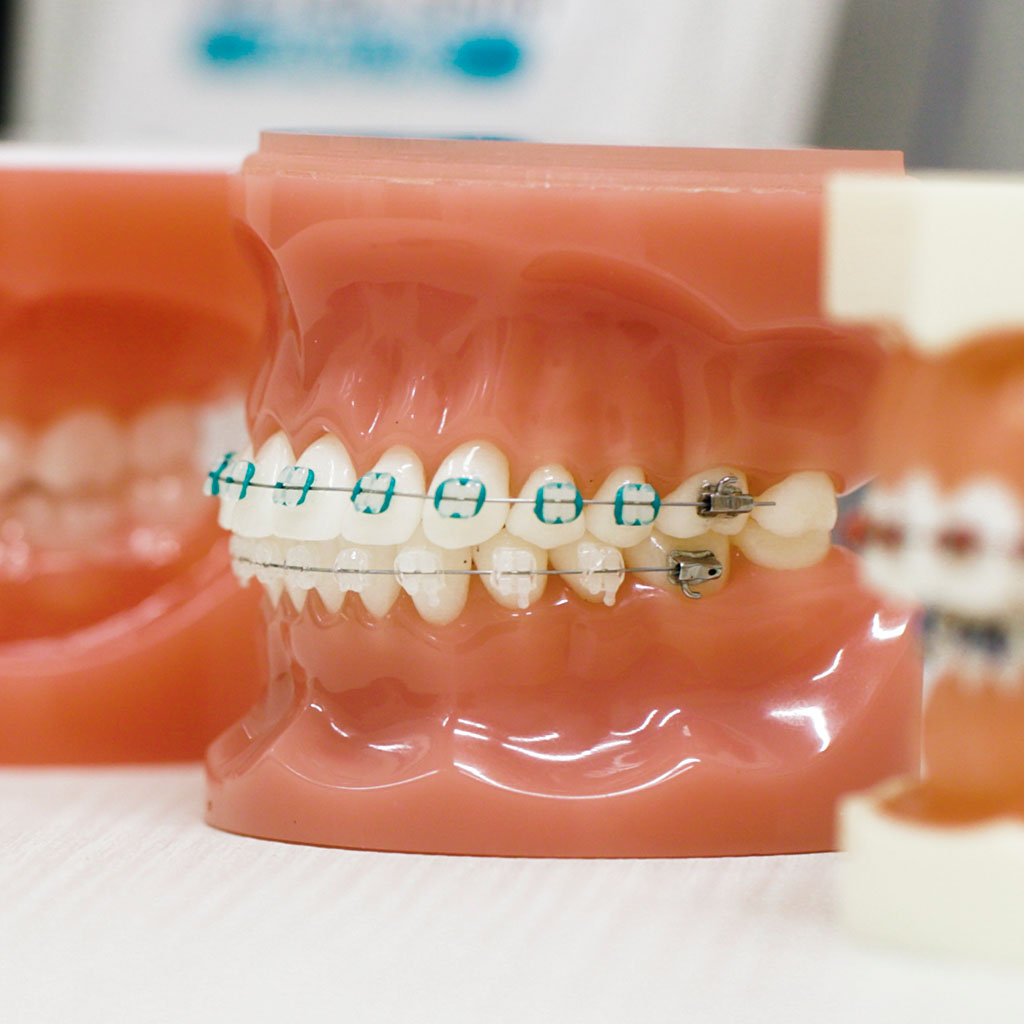
Brackets and wires create extra places for plaque and food particles to hide, and if they aren’t cleaned properly, you can end up with cavities, swollen gums, or white spots on your teeth. The good news is that with the right tools and habits, keeping your mouth clean with metal braces is totally doable. Here’s what our orthodontist in St. Johns, FL, recommends for protecting your smile throughout treatment.
Why Cleaning Matters More with Braces
Traditional metal braces make it easier for plaque to build up around your brackets, along your gumline, and between teeth. If plaque stays in place too long, it can harden into tartar and lead to gum inflammation.
Over time, poor hygiene with braces can cause:
- Bad breath
- Cavities
- Gingivitis (bleeding or swollen gums)
- Permanent white spots after braces come off
Consistent cleaning keeps your teeth healthy now and ensures your new smile looks amazing when treatment is complete.
Step 1: Brush After Every Meal
With metal dental braces, brushing twice a day isn’t enough for most patients. Ideally, you should brush after every meal and snack. Food can easily get stuck in brackets, and leaving it there allows bacteria to thrive.
Use a soft-bristled toothbrush or an electric toothbrush, and brush for at least two minutes.
Make sure to angle the brush:
- Above the brackets toward the gumline
- Directly on the brackets
- Below the brackets toward the chewing surfaces
This technique helps remove plaque from every angle.
Step 2: Use Fluoride Toothpaste
Fluoride strengthens enamel and helps prevent cavities. This is especially important when metal dental braces make teeth harder to clean. Many patients benefit from using a fluoride toothpaste and, in some cases, a fluoride rinse at night for extra protection.
Step 3: Floss Daily (Yes, Even with Wires)
Flossing is often the hardest part of braces hygiene, but it’s one of the most important. Plaque between teeth can cause cavities and gum disease, even if the front surfaces look clean.
Helpful flossing tools include:
- Floss threaders (to guide floss under the wire)
- Orthodontic floss (with a stiff end for easier threading)
- Water flossers (great for flushing out debris)
Many patients find that a water flosser makes flossing much easier, especially when paired with traditional flossing a few times per week.
Step 4: Use Interdental Brushes
Interdental brushes are small, narrow brushes designed to clean around brackets and under wires. They’re perfect for removing food particles after meals and are easy to keep in your backpack, car, or desk.
They don’t replace brushing or flossing, but they’re an excellent add-on tool for braces patients.
Step 5: Rinse and Check Your Work
After brushing and flossing, rinse your mouth thoroughly with water or mouthwash. Then, take a quick look in the mirror. You’d be surprised how often food gets stuck in metal braces without you noticing.
Some patients also like using disclosing tablets occasionally. These tablets stain plaque temporarily so you can see where you may be missing spots.
Don’t Forget Regular Dental Cleanings
Even with great home care, professional cleanings are still essential during braces treatment. Your general dentist can remove tartar buildup and monitor for early signs of decay or gum issues. Keeping up with cleanings helps prevent problems that could delay your orthodontic progress.
Recap
Metal orthodontic braces work best when your teeth and gums stay healthy. With daily brushing, consistent flossing, and the right tools, you can avoid cavities and keep your smile on track from start to finish.
Schedule Your Next Braces Appointment
If you have questions about the best products to use or how to improve your routine, our orthodontist in St. Johns, FL, is always here to help you stay confident and cavity-free while wearing braces. Call Modern Orthodontics at (904) 712-0060 or contact us online to get started.
Brackets and wires create extra places for plaque and food particles to hide, and if they aren’t cleaned properly, you can end up with cavities, swollen gums, or white spots on your teeth. The good news is that with the right tools and habits, keeping your mouth clean with metal braces is totally doable. Here’s what our orthodontist in St. Johns, FL, recommends for protecting your smile throughout treatment.
Book a Free ConsultationWhy Cleaning Matters More with Braces
Traditional metal braces make it easier for plaque to build up around your brackets, along your gumline, and between teeth. If plaque stays in place too long, it can harden into tartar and lead to gum inflammation.
Over time, poor hygiene with braces can cause:
- Bad breath
- Cavities
- Gingivitis (bleeding or swollen gums)
- Permanent white spots after braces come off
Consistent cleaning keeps your teeth healthy now and ensures your new smile looks amazing when treatment is complete.
Step 1: Brush After Every Meal
With metal dental braces, brushing twice a day isn’t enough for most patients. Ideally, you should brush after every meal and snack. Food can easily get stuck in brackets, and leaving it there allows bacteria to thrive.
Use a soft-bristled toothbrush or an electric toothbrush, and brush for at least two minutes.
Make sure to angle the brush:
- Above the brackets toward the gumline
- Directly on the brackets
- Below the brackets toward the chewing surfaces
This technique helps remove plaque from every angle.
Step 2: Use Fluoride Toothpaste
Fluoride strengthens enamel and helps prevent cavities. This is especially important when metal dental braces make teeth harder to clean. Many patients benefit from using a fluoride toothpaste and, in some cases, a fluoride rinse at night for extra protection.
Step 3: Floss Daily (Yes, Even with Wires)
Flossing is often the hardest part of braces hygiene, but it’s one of the most important. Plaque between teeth can cause cavities and gum disease, even if the front surfaces look clean.
Helpful flossing tools include:
- Floss threaders (to guide floss under the wire)
- Orthodontic floss (with a stiff end for easier threading)
- Water flossers (great for flushing out debris)
Many patients find that a water flosser makes flossing much easier, especially when paired with traditional flossing a few times per week.
Step 4: Use Interdental Brushes
Interdental brushes are small, narrow brushes designed to clean around brackets and under wires. They’re perfect for removing food particles after meals and are easy to keep in your backpack, car, or desk.
They don’t replace brushing or flossing, but they’re an excellent add-on tool for braces patients.
Step 5: Rinse and Check Your Work
After brushing and flossing, rinse your mouth thoroughly with water or mouthwash. Then, take a quick look in the mirror. You’d be surprised how often food gets stuck in metal braces without you noticing.
Some patients also like using disclosing tablets occasionally. These tablets stain plaque temporarily so you can see where you may be missing spots.
Don’t Forget Regular Dental Cleanings
Even with great home care, professional cleanings are still essential during braces treatment. Your general dentist can remove tartar buildup and monitor for early signs of decay or gum issues. Keeping up with cleanings helps prevent problems that could delay your orthodontic progress.
Recap
Metal orthodontic braces work best when your teeth and gums stay healthy. With daily brushing, consistent flossing, and the right tools, you can avoid cavities and keep your smile on track from start to finish.
Schedule Your Next Braces Appointment
If you have questions about the best products to use or how to improve your routine, our orthodontist in St. Johns, FL, is always here to help you stay confident and cavity-free while wearing braces. Call Modern Orthodontics at (904) 712-0060 or contact us online to get started.
Book Consultation
Brackets and wires create extra places for plaque and food particles to hide, and if they aren’t cleaned properly, you can end up with cavities, swollen gums, or white spots on your teeth. The good news is that with the right tools and habits, keeping your mouth clean with metal braces is totally doable. Here’s what our orthodontist in St. Johns, FL, recommends for protecting your smile throughout treatment.
Book a Free ConsultationWhy Cleaning Matters More with Braces
Traditional metal braces make it easier for plaque to build up around your brackets, along your gumline, and between teeth. If plaque stays in place too long, it can harden into tartar and lead to gum inflammation.
Over time, poor hygiene with braces can cause:
- Bad breath
- Cavities
- Gingivitis (bleeding or swollen gums)
- Permanent white spots after braces come off
Consistent cleaning keeps your teeth healthy now and ensures your new smile looks amazing when treatment is complete.
Step 1: Brush After Every Meal
With metal dental braces, brushing twice a day isn’t enough for most patients. Ideally, you should brush after every meal and snack. Food can easily get stuck in brackets, and leaving it there allows bacteria to thrive.
Use a soft-bristled toothbrush or an electric toothbrush, and brush for at least two minutes.
Make sure to angle the brush:
- Above the brackets toward the gumline
- Directly on the brackets
- Below the brackets toward the chewing surfaces
This technique helps remove plaque from every angle.
Step 2: Use Fluoride Toothpaste
Fluoride strengthens enamel and helps prevent cavities. This is especially important when metal dental braces make teeth harder to clean. Many patients benefit from using a fluoride toothpaste and, in some cases, a fluoride rinse at night for extra protection.
Step 3: Floss Daily (Yes, Even with Wires)
Flossing is often the hardest part of braces hygiene, but it’s one of the most important. Plaque between teeth can cause cavities and gum disease, even if the front surfaces look clean.
Helpful flossing tools include:
- Floss threaders (to guide floss under the wire)
- Orthodontic floss (with a stiff end for easier threading)
- Water flossers (great for flushing out debris)
Many patients find that a water flosser makes flossing much easier, especially when paired with traditional flossing a few times per week.
Step 4: Use Interdental Brushes
Interdental brushes are small, narrow brushes designed to clean around brackets and under wires. They’re perfect for removing food particles after meals and are easy to keep in your backpack, car, or desk.
They don’t replace brushing or flossing, but they’re an excellent add-on tool for braces patients.
Step 5: Rinse and Check Your Work
After brushing and flossing, rinse your mouth thoroughly with water or mouthwash. Then, take a quick look in the mirror. You’d be surprised how often food gets stuck in metal braces without you noticing.
Some patients also like using disclosing tablets occasionally. These tablets stain plaque temporarily so you can see where you may be missing spots.
Don’t Forget Regular Dental Cleanings
Even with great home care, professional cleanings are still essential during braces treatment. Your general dentist can remove tartar buildup and monitor for early signs of decay or gum issues. Keeping up with cleanings helps prevent problems that could delay your orthodontic progress.
Recap
Metal orthodontic braces work best when your teeth and gums stay healthy. With daily brushing, consistent flossing, and the right tools, you can avoid cavities and keep your smile on track from start to finish.
Schedule Your Next Braces Appointment
If you have questions about the best products to use or how to improve your routine, our orthodontist in St. Johns, FL, is always here to help you stay confident and cavity-free while wearing braces. Call Modern Orthodontics at (904) 712-0060 or contact us online to get started.
Book ConsultationPopular Topics
th
Brackets and wires create extra places for plaque and food particles to hide, and if…
th
Brackets and wires create extra places for plaque and food particles to hide, and if…
th
Brackets and wires create extra places for plaque and food particles to hide, and if…